
Human trafficking methods are becoming increasingly complex and sophisticated, while digital
technologies make it easier for perpetrators to operate. To identify emerging risks and better protect
those in vulnerable situations, Caritas Ukraine’s anti-trafficking teams strengthen their skills and
knowledge.
Last month, three specialists from Caritas Ukraine took part in the international training
“Addressing technology-facilitated trafficking in human beings in the context of Ukraine”, organised by
the OSCE Office for Democratic Institutions and Human Rights (ODIHR).
Together with representatives of civil society organisations from across Europe, participants
discussed current challenges and exchanged practical experience in countering human trafficking
especially in cyber space. Particular attention was given to real case analysis, including cases involving
the use of digital technologies.
A special session was focused on factors that increase vulnerability to exploitation in the
Internet: domestic violence, poverty, war and forced displacement, family separation, bullying, and
sexual violence. In combination with the digital environment, these factors create additional risks.
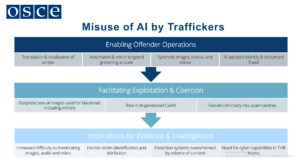
Participants also explored emerging threats related to the use of artificial intelligence for
recruitment, manipulation, and data collection on potential victims, making detection and response
more complex.
Special emphasis was made on a survivor-centred approach, ensuring respect for the dignity,
needs, and safety of each individual. The knowledge gained strengthen capacity of Caritas Ukraine to respond effectively to current challenges and to provide proper support to people affected by trafficking.